

Kento Momota stands as one of badminton’s most influential modern figures – a player whose precision, discipline, and resilience reshaped the sport’s global landscape. From a quiet childhood in Kagawa to the summit of world rankings, his journey blends artistry and endurance, triumph and adversity. This homepage offers a deep portrait of the man behind the historic titles: his early life, career breakthroughs, 2019 dominance, suspension, near-fatal accident, comeback struggles, financial achievements, and the legacy he leaves for future generations.
Early life and family background
Every story of a sporting icon begins long before the world learns their name. For Kento Momota, the foundations of greatness were laid in the quiet folds of rural Kagawa Prefecture – a place far removed from the lights of global arenas, yet perfectly suited for shaping discipline, humility, and hunger. His early years reveal not only where he came from, but why he would one day carry himself with such steadiness on court. Before he became a world champion, a global superstar, or Japan’s most decorated male badminton player, he was simply a restless child searching for a game that could match the pace of his imagination.
Want the complete timeline from Kagawa to world No.1? Dive into Profile & Career for every chapter of Momota’s journey.
Childhood of Kento Momota in Kagawa and first steps in badminton
Kento Momota was born on September 1, 1994, in Mino (now Mitoyo City), Kagawa Prefecture – a coastal region that rarely finds itself associated with world-class sports champions. The environment was quiet, structured, and deeply traditional. Children grew up understanding the value of effort before reward, and those cultural threads became part of Momota’s foundation.
His first encounter with badminton came during elementary school, where a physical education session introduced him to the sport. What began as playful curiosity quickly became an obsession. Teachers noticed that unlike the other children, who ran with the joyous chaos of youth, Momota moved with purpose. There was a surprising sharpness in how he swung the racket, a natural ease that belied his age. He was left-handed – an advantage in badminton that would later become one of his signatures – and the sport’s fast-paced exchanges suited his temperament perfectly.
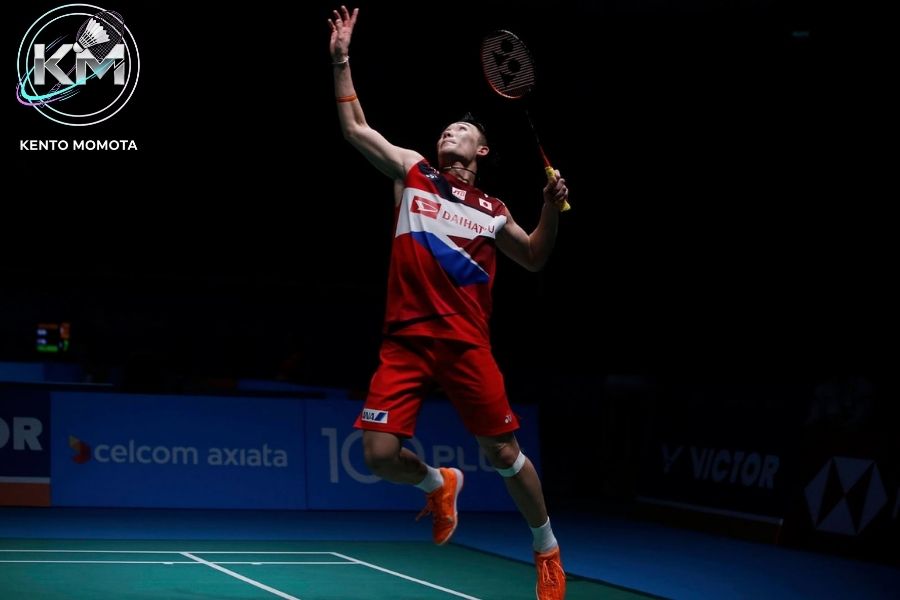
In those early years, badminton was far from a career path. It was an outlet, a language through which he could express energy, instinct, and even emotion. Yet as he progressed, it became increasingly clear that he possessed something unseen in the small gymnasiums of Kagawa: timing, balance, and the rare ability to read an opponent’s next move even before they executed it.
Local coaches encouraged his family to consider formal training pathways. His natural talent demanded more competition, more structure, and more challenge. That advice would soon steer the Momota family toward a crucial decision – one that would shape the trajectory of Japanese badminton.
Family, upbringing and the influences that shaped him
Little is publicly disclosed about Momota’s immediate family, a privacy consistent with Japanese athletic culture. Still, the available accounts make one thing clear: his household valued discipline, respect, and focus. Badminton was encouraged, but it was never pressured. Instead, his parents created an environment where effort mattered more than victory – a philosophy that later defined his on-court persona.
As his training intensified, his family made sacrifices to support his journey. Travel, coaching, equipment, and competitive schedules required not only financial resources but also emotional endurance. His family’s quiet resilience allowed him to compete freely, without the burdens that often weigh heavily on young prodigies.
His move during his youth – leaving Kagawa for better training and education – marked a symbolic transition. It signaled the beginning of a life built around badminton. For many athletes, this period brings doubt or homesickness. But for Momota, it brought clarity. He learned to live independently, schedule his days around practice sessions, balance schoolwork with training, and study opponents long before he ever met them on court.
It was also during this time that he met the coaches who would become essential to his development. Japanese badminton culture emphasizes structure, respect for hierarchy, and technical mastery. Momota thrived in this environment. Under mentors who valued consistency and long-term refinement, he began to understand badminton not just as a game but as a profession.
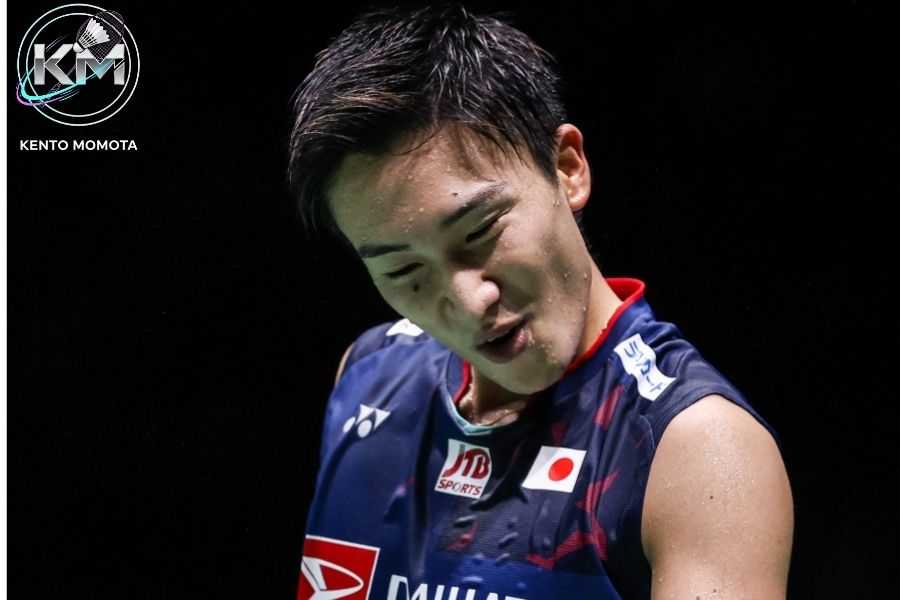
By his mid-teens, his work ethic had become his most defining trait. Coaches recall a player who never needed to be asked twice, a teenager who stayed behind after training to perfect a single motion, over and over again, until the stroke felt like an extension of his breathing. These qualities would later separate him from his peers on the world stage, but their roots trace back to this period – to a boy shaped by family values, cultural discipline, and a relentless internal drive.
How early upbringing shaped the champion he became
Looking back, it becomes clear that Momota’s early life was not simply a prelude to his career; it was the blueprint. The calm precision he carries on court, the tactical patience, the refusal to panic under pressure – all trace back to the ethos formed during his upbringing. Kagawa gave him stability. His family gave him principles. His early coaches gave him direction. Together, they built a foundation strong enough to withstand the storms he would encounter later in life: suspension, injuries, setbacks, and the intense scrutiny that accompanies the world’s number-one ranking.
Before he became a star, before he carried national expectations, before the medals and titles – he was a child discovering a sport in an ordinary school gym. Yet it was in those quiet beginnings, in those small places, that the story of Kento Momota truly began. Much like the philosophy embraced by Ball 88, every great achievement starts with a single step and the determination to keep moving forward.
Momota at the 2019 German Open
Personal information
| Country | Japan |
|---|---|
| Born | 1 September 1994 (age 31) Mino, Kagawa, Japan |
| Height | 1.75 m (5 ft 9 in) |
| Weight | 68 kg (150 lb) |
| Retired | 6 May 2024 |
| Handedness | Left |
| Coach | Yosuke Nakanishi |
Men’s singles
| Career record | 388 wins, 111 losses |
| Highest ranking | 1 (27 September 2018) |
Medal record
World Championships
🥇 2018 Nanjing – Men’s singles
🥇 2019 Basel – Men’s singles
🥉 2015 Jakarta – Men’s singles
Sudirman Cup
🥇 2017 – Mixed team
🥈 2019 Nanning – Mixed team
🥈 2021 Vantaa – Mixed team
Thomas Cup
🥇 2014 New Delhi – Men’s team
🥇 2018 Bangkok – Men’s team
🥈 2020 Aarhus – Men’s team
🥉 2022 Bangkok – Men’s team
Asian Games
🥇 2018 Jakarta – Palembang – Men’s team
Asian Championships
🥇 2018 Wuhan – Men’s singles
🥇 2019 Wuhan – Men’s singles
Asia Team Championships
🥈 2016 Hyderabad – Men’s team
🥇 2024 Selangor – Men’s team
World Junior Championships
🥇 2012 Chiba – Boys’ singles
🥈 2011 Taipei – Mixed team
Asian Junior Championships
🥇 2012 Gimcheon – Boys’ singles
🥇 2011 Lucknow – Boys’ singles
Beginnings of a badminton career
The moment Kento Momota stepped out of childhood competitions and into structured athletic training, his path sharpened dramatically. What started as raw talent in Kagawa evolved into disciplined pursuit when he entered the competitive circuits of Japanese badminton – a world defined by rigor, hierarchy, and unforgiving standards. As he transitioned from local prodigy to national prospect, the early glimpses of brilliance grew more pronounced. This was the period that transformed potential into direction, giving him not only the skills but the identity of a future world champion.
Junior achievements and entry into the national scene
Japan’s youth badminton circuit is demanding, populated with hundreds of skilled players vying for national recognition. Yet from the moment Momota entered, he distinguished himself with an unusual combination of calm composure and aggressive instinct. While many juniors relied on speed and power, Momota’s strength lay in his precision – the way he placed shots in improbable spaces, forcing opponents into uncomfortable positions. Even before he became famous for his defense and control, the seeds of that playing style were already visible.
His breakout moment came in 2012 at the Asian Junior Championships. At just 17, Momota became the first Japanese male player ever to win the boys’ singles title, a historic achievement that jolted Japan’s badminton community. This was more than a match victory; it was a breakthrough that signaled Japan could produce a world-class men’s singles player – a department long dominated by China, Malaysia, Indonesia, and Denmark.
The victory elevated Momota’s profile instantly. He was no longer the promising young left-hander from Kagawa; he was a continental champion with a clear trajectory toward senior-level competition. The Japanese Badminton Association began integrating him into the youth development pipeline with greater intention, moving him into training blocks that mirrored senior-level intensity. International junior circuits were added to his calendar, exposing him to diverse playstyles and reinforcing the importance of adaptability.
What set Momota apart in his junior years was not just the results, but the psychological depth he displayed. Coaches noted his exceptional match temperament. He rarely reacted outwardly to mistakes, rarely panicked under pressure. Each rally was approached with the emotional neutrality of a seasoned professional. That maturity – unusual for his age – would later become one of his most distinct competitive advantages.
Turning pro and joining NTT East / national team debut
As his junior success deepened, Momota faced the natural progression that all elite Japanese athletes encounter: securing a corporate team affiliation. In Japan’s badminton ecosystem, corporate teams are the backbone of professional development, offering athletes financial stability, elite coaching, physiotherapy, and year-round structured competition.
Momota joined NTT East, one of the most respected corporate badminton teams in the country. This move marked a turning point. Training intensified dramatically. Daily sessions stretched long hours, blending physical endurance, high-speed drills, technical refinement, and deep tactical analysis. Inside NTT East’s system, he practiced alongside senior internationals, absorbing knowledge and elevating his level through constant high-pressure sparring.
His progression was rapid. By 2014, Momota had earned a place on Japan’s senior national team. His debut came at a time when Japanese badminton was undergoing a quiet revolution – the women’s side had already risen to global prominence, but men’s singles still lacked a defining figure. Momota’s arrival began to shift that balance.
One of his earliest moments of impact came during the 2014 Thomas Cup, where Japan shocked the badminton world by capturing the men’s team title for the first time in history. Momota contributed crucial wins throughout the campaign. Though still young, he played with the confidence and composure of a seasoned competitor, helping Japan defeat powerhouse nations that historically dominated the event.
The Thomas Cup victory permanently changed the perception of Japanese badminton. It demonstrated that Japan was no longer an emerging contender – it was a nation fully capable of beating the giants. And at the center of that transformation stood Momota, whose performances signaled his readiness to step into the world stage as a legitimate singles threat.
How the early competitive years shaped the athlete
Those first professional years built the infrastructure of Momota’s game. At NTT East, he learned the value of routine. With the national team, he learned the weight of responsibility. On international circuits, he learned resilience through travel, exhaustion, and adapting to high-pressure environments.
The combination of:
- continental junior triumphs,
- elite corporate training,
- and senior-level breakthroughs
created a momentum that carried Momota swiftly into global contention. The athlete who had once dominated school tournaments in Kagawa was now standing shoulder-to-shoulder with the world’s best – and proving that he belonged.
This chapter of his life reveals a truth often overlooked: greatness doesn’t begin with world titles. It begins in the quiet increments of discipline, the accumulation of effort, and the willingness to embrace higher expectations. Momota’s early career wasn’t just successful – it was transformative. It built the technical sharpness, the psychological resilience, and the competitive identity that would soon bring him to the summit of world badminton.
The moment Kento Momota stepped out of childhood competitions and into structured athletic training, his path sharpened dramatically. What started as raw talent in Kagawa evolved into disciplined pursuit when he entered the competitive circuits of Japanese badminton – a world defined by rigor, hierarchy, and unforgiving standards. As he transitioned from local prodigy to national prospect, the early glimpses of brilliance grew more pronounced. This was the period that transformed potential into direction, giving him not only the skills but the identity of a future world champion.
Junior achievements and entry into the national scene
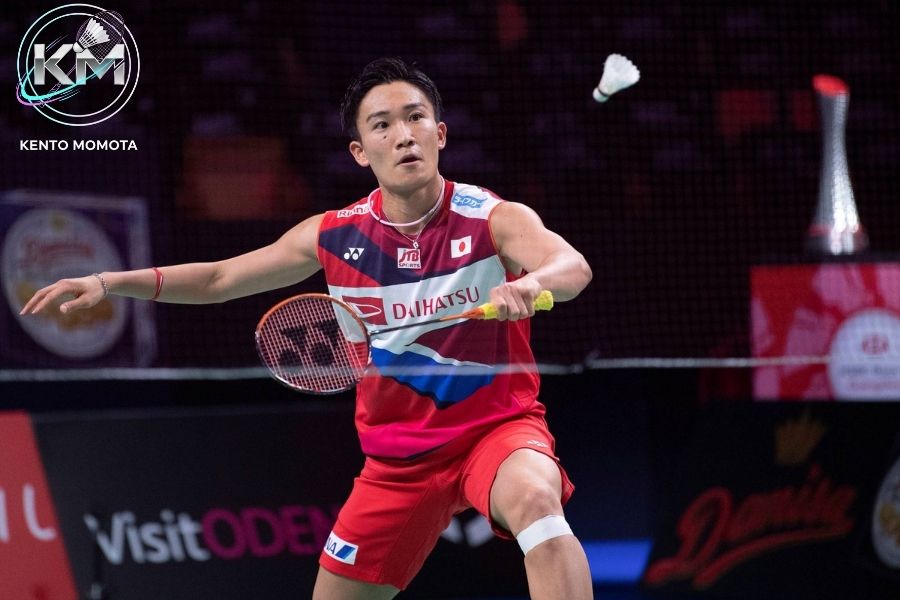
Japan’s youth badminton circuit is demanding, populated with hundreds of skilled players vying for national recognition. Yet from the moment Momota entered, he distinguished himself with an unusual combination of calm composure and aggressive instinct. While many juniors relied on speed and power, Momota’s strength lay in his precision – the way he placed shots in improbable spaces, forcing opponents into uncomfortable positions. Even before he became famous for his defense and control, the seeds of that playing style were already visible.
His breakout moment came in 2012 at the Asian Junior Championships. At just 17, Momota became the first Japanese male player ever to win the boys’ singles title, a historic achievement that jolted Japan’s badminton community. This was more than a match victory; it was a breakthrough that signaled Japan could produce a world-class men’s singles player – a department long dominated by China, Malaysia, Indonesia, and Denmark.
The victory elevated Momota’s profile instantly. He was no longer the promising young left-hander from Kagawa; he was a continental champion with a clear trajectory toward senior-level competition. The Japanese Badminton Association began integrating him into the youth development pipeline with greater intention, moving him into training blocks that mirrored senior-level intensity. International junior circuits were added to his calendar, exposing him to diverse playstyles and reinforcing the importance of adaptability.
What set Momota apart in his junior years was not just the results, but the psychological depth he displayed. Coaches noted his exceptional match temperament. He rarely reacted outwardly to mistakes, rarely panicked under pressure. Each rally was approached with the emotional neutrality of a seasoned professional. That maturity – unusual for his age – would later become one of his most distinct competitive advantages.
Turning pro and joining NTT East / national team debut
As his junior success deepened, Momota faced the natural progression that all elite Japanese athletes encounter: securing a corporate team affiliation. In Japan’s badminton ecosystem, corporate teams are the backbone of professional development, offering athletes financial stability, elite coaching, physiotherapy, and year-round structured competition.
Momota joined NTT East, one of the most respected corporate badminton teams in the country. This move marked a turning point. Training intensified dramatically. Daily sessions stretched long hours, blending physical endurance, high-speed drills, technical refinement, and deep tactical analysis. Inside NTT East’s system, he practiced alongside senior internationals, absorbing knowledge and elevating his level through constant high-pressure sparring.
His progression was rapid. By 2014, Momota had earned a place on Japan’s senior national team. His debut came at a time when Japanese badminton was undergoing a quiet revolution – the women’s side had already risen to global prominence, but men’s singles still lacked a defining figure. Momota’s arrival began to shift that balance.
One of his earliest moments of impact came during the 2014 Thomas Cup, where Japan shocked the badminton world by capturing the men’s team title for the first time in history. Momota contributed crucial wins throughout the campaign. Though still young, he played with the confidence and composure of a seasoned competitor, helping Japan defeat powerhouse nations that historically dominated the event.
The Thomas Cup victory permanently changed the perception of Japanese badminton. It demonstrated that Japan was no longer an emerging contender – it was a nation fully capable of beating the giants. And at the center of that transformation stood Momota, whose performances signaled his readiness to step into the world stage as a legitimate singles threat.
How the early competitive years shaped the athlete
Those first professional years built the infrastructure of Momota’s game. At NTT East, he learned the value of routine. With the national team, he learned the weight of responsibility. On international circuits, he learned resilience through travel, exhaustion, and adapting to high-pressure environments.
The combination of:
- Continental junior triumphs,
- Elite corporate training,
- And senior-level breakthroughs
Created a momentum that carried Momota swiftly into global contention. The athlete who had once dominated school tournaments in Kagawa was now standing shoulder-to-shoulder with the world’s best – and proving that he belonged.
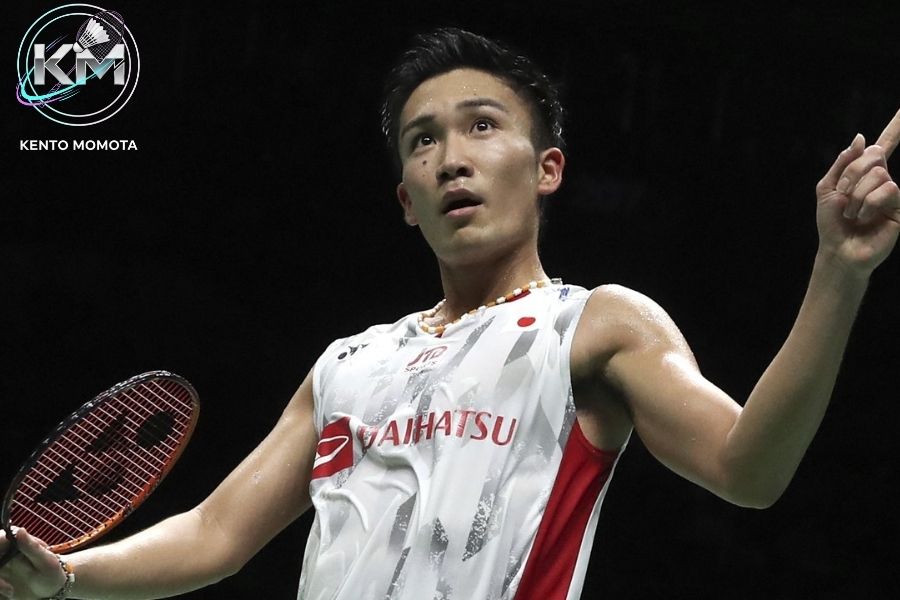
This chapter of his life reveals a truth often overlooked: greatness doesn’t begin with world titles. It begins in the quiet increments of discipline, the accumulation of effort, and the willingness to embrace higher expectations. Momota’s early career wasn’t just successful – it was transformative. It built the technical sharpness, the psychological resilience, and the competitive identity that would soon bring him to the summit of world badminton.
For match-by-match numbers, rally patterns, and ranking curves from these early breakthroughs, see Stats & Highlights.
Setbacks, suspension and comeback
At the height of his early rise, when his trajectory seemed destined for uninterrupted ascent, Kento Momota encountered the first major storm of his career – one that had nothing to do with physical injury, form, or technique. It was a personal mistake, one that threatened to derail everything he had built. And yet, the adversity that followed would eventually forge him into a stronger, more mature athlete. Later, another near-fatal setback would test him even more severely. Momota’s journey is incomplete without understanding these moments, because they reveal not only the fragility of a sporting career, but also the resilience that defines a champion.
2016 gambling suspension
By 2015, Momota was Japan’s brightest badminton star. He had just become the youngest Japanese male to win a Superseries title and was widely expected to represent Japan at the 2016 Olympics in Rio. His rise was rapid – perhaps too rapid. In April 2016, everything came to a sudden halt when he was suspended by the Nippon Badminton Association for visiting an illegal casino in Tokyo.
Japan has strict gaming laws, and for elite athletes, the rules are even more uncompromising. Although the incident did not involve match fixing or professional misconduct, the act itself violated the code of conduct for national athletes. The punishment was severe:
- Indefinite suspension from competition
- Removal from the national team
- Exclusion from the Rio 2016 Olympics, where he had been considered a medal contender
The blow was devastating. Public opinion polarized. Many fans were disappointed; others believed he deserved a second chance. For Momota, the suspension marked a rare and painful moment of introspection. The media attention was intense, and the emotional toll even heavier.
But instead of retreating from the sport, he recommitted himself to it. During the suspension, he trained quietly behind closed doors, free from cameras and expectations. Those who observed him in this period described a different Momota – not the rising prodigy, but a humbled athlete learning patience, discipline, and accountability.
When the suspension was lifted in 2017, he did not rush. He rebuilt slowly, tournament by tournament, ranking point by ranking point. The player who returned was more focused, more mature, and more aware of the responsibility that came with carrying Japan’s national hopes. In the long arc of his career, the suspension became not an ending, but a turning point – the moment he shifted from talent to true professional.
For verified announcements, statements, and historical coverage of this episode, visit the News section.
2020 car accident and recovery
Just as Momota completed a historic comeback, reached World No. 1, and dominated the 2019 season with 11 titles – setting a Guinness World Record – fate struck again. On January 13, 2020, while leaving Kuala Lumpur after winning the Malaysia Masters, Momota was involved in a horrific car accident. The van he was riding in crashed into a truck on the highway, killing the driver instantly.
Momota, seated near the front, sustained multiple injuries:
- Facial lacerations
- Nasal fractures
- Eye trauma (including double vision)
- Body bruising and deep muscular damage
Though not life-threatening, the injuries were serious – especially for a badminton player whose game relied on precise movement and razor-sharp visual coordination.
The accident shook the badminton world. Just one day prior, Momota had been on court celebrating a title. Now he was photographed being lifted from a wrecked van, his future uncertain. Doctors warned that his recovery would require not only physical rehabilitation but neurological recalibration. The trauma to his eyes and reflex pathways meant he needed months away from competition.
And then, the global pandemic arrived. Tournaments shut down. Training became restricted. For most players, COVID-19 was a disruption. For Momota, it collided with an already fragile recovery, amplifying the challenges he faced.
His 2020 comeback plans were delayed repeatedly. When he finally returned to competition in late 2020 and throughout 2021, it was clear that his physical and psychological rhythm had been deeply impacted. His movement was slightly slower, his vision occasionally strained. Matches that once felt routine became difficult tests.
But even in struggle, Momota showed tremendous courage. He did not hide. He continued competing, continued training, continued searching for the version of himself that once ruled the sport. His persistence earned widespread respect. Fans and fellow athletes understood the enormity of what he was battling – this was not just about form; it was about overcoming trauma.
To understand how recovery reshaped daily routine, mindset, and life off court, explore Lifestyle & Personal.
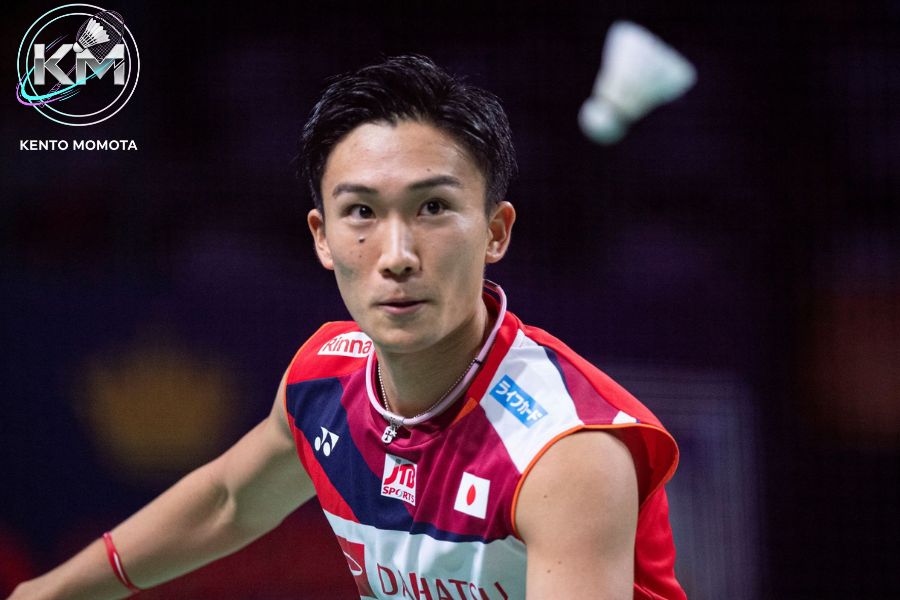
How adversity reshaped Momota’s legacy
These setbacks – the 2016 suspension and the 2020 car accident – could have broken most athletes. For Momota, they became defining chapters that transformed his legacy from one of pure dominance to one of resilience.
After the suspension, he rebuilt his career and became the best player in the world.
After the accident, he fought not for titles, but for the right to compete again.
His comebacks were not always rewarded with victory, but they strengthened his story. Fans no longer admired him only for technical perfection; they admired him for perseverance. He became a symbol of how an athlete can rise, fall, and rise again – each time with more humility.
These years revealed the depth of Momota’s character. His stoic demeanor on court, often mistaken for quietness, became understood as emotional endurance. Behind every shot, every rally, every appearance, was a man battling more than the opponent across the net.
Career highlights, achievements & records
By the time Kento Momota reached his peak, he had already carved a place for himself among badminton’s modern greats. His achievements were not merely the result of talent, but of obsession – an unrelenting dedication to refinement that allowed him to master every dimension of the sport. The following period, which spans from his early dominance to his final years in the national team, contains some of the most impressive accomplishments in contemporary badminton history. It is here that his career crystallizes: the titles, the records, the statistics, and the financial rewards that came with becoming one of the sport’s most recognizable figures.
Major titles and competition results
Before diving into details, it’s important to understand the nature of Momota’s success. Unlike players who built their careers around attacking flair or brute power, Momota built his dynasty through consistency. He won by outthinking, outlasting, and outmanoeuvring opponents, and that stability is reflected in his tournament record.
Below is a structured table summarizing Momota’s most important titles and milestones across his professional journey:
| Year | Tournament / Achievement | Result / Significance |
| 2012 | Asian Junior Championships | First Japanese male to win boys’ singles; breakthrough title |
| 2014 | Thomas Cup | Key contributor as Japan won historic first men’s team gold |
| 2015 | Singapore Open (Superseries) | Youngest Japanese man to win a Superseries singles title |
| 2018 | Asian Championships | Clinched continental dominance in men’s singles |
| 2018 | BWF World Championships (Nanjing) | First Japanese men’s singles world champion |
| 2018 | Reached World No. 1 | First Japanese man ever to achieve this ranking |
| 2019 | All England Open | Prestigious victory at badminton’s oldest tournament |
| 2019 | China Open, Japan Open, Indonesia Masters | Series of high-tier titles establishing global dominance |
| 2019 | 11 Titles in a Single Season | Guinness World Record for “most men’s singles badminton titles in a season” |
| 2020 | Malaysia Masters | Title won just one day before the car accident |
| 2024 | Retirement from international play | End of national team career after an extraordinary decade |
But numbers alone cannot capture the emotional weight of these victories. Each title had its context – the comeback after suspension, the rise to world number one, the unstoppable season of 2019. Momota’s wins rarely came through easy paths; they were marathons of mental and physical endurance.
What defined his dominance was consistency. At his peak, Momota went months without losing a match. His presence in a draw meant danger for every opponent. He often dictated tempo so thoroughly that rallies unfolded like a script only he could read. His playing style didn’t simply defeat opponents; it absorbed them.
For full tables of titles, finals, and season-by-season metrics, head to Stats & Highlights.
Financials: prize money, endorsements and earnings
No modern athlete’s career can be fully examined without understanding the financial side – a measure not only of success, but of marketability and influence. Momota’s earnings reflect both his athletic achievements and his value as a global sports figure.
Prize money
Momota became the highest-earning badminton player in the world in 2019, collecting approximately USD 506,900 in prize money from tournaments alone. This was a groundbreaking number in badminton economics, a sport where earnings traditionally trail behind tennis or golf.
Over the course of his career, his total recorded prize money reached an estimated USD 1.39 million – an extraordinary figure for the sport and a testament to his sustained excellence.
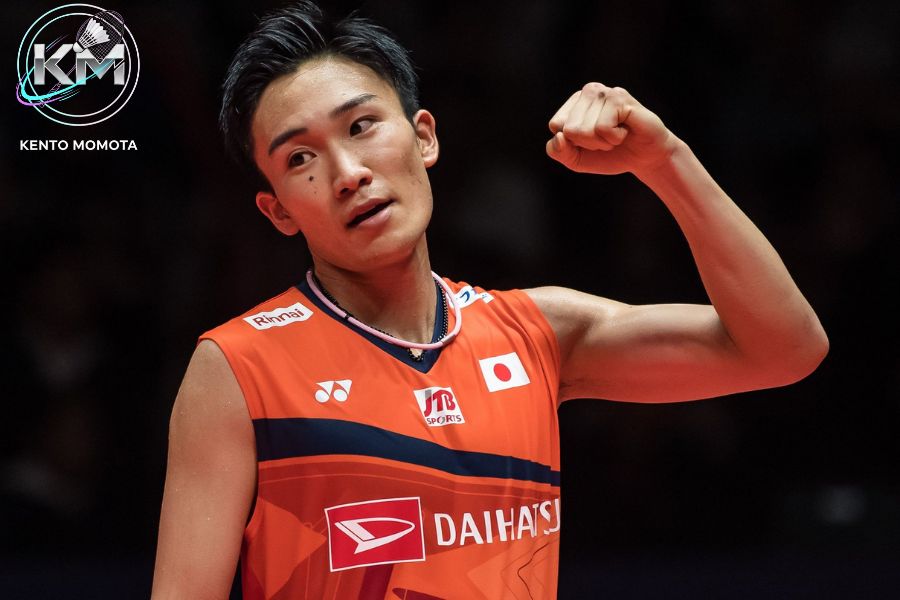
Endorsements and sponsorships
Momota’s off-court value was equally significant. The most visible and longstanding relationship in his career was with Yonex, one of badminton’s largest equipment manufacturers. His rackets, shoes, and apparel were custom-developed to suit his precision-based gameplay. Yonex also positioned him as one of its global ambassadors, frequently using him in campaigns targeted at the Japanese, Southeast Asian, and European markets.
Additionally, as Momota’s profile grew, he secured partnerships with:
- NTT East, his corporate team sponsor
- Various Japanese brands seeking association with athletic discipline and national pride
- Sports lifestyle companies and international exhibition organizers
Exact endorsement figures are not publicly disclosed – a common practice in Japanese sports culture – but analysts estimate that at his peak, Momota’s annual sponsorship earnings likely exceeded his tournament winnings.
Commercial influence
Momota’s rise shifted Japan’s badminton landscape. Television viewership increased when he played. Youth participation surged. Retail sales for Yonex’s “Momota edition” rackets saw spikes during his peak seasons. Even international tournaments experienced higher engagement when he appeared in late rounds.
He wasn’t just a player; he was a commercial catalyst for his sport.
Records and statistical excellence
Statistics do not tell the whole story, but they help illustrate the scale of Momota’s dominance:
- 361 career wins out of 474 matches (a win rate of over 76%)
- 11 titles in 2019 – unmatched in modern badminton
- First Japanese men’s singles World No. 1
- Two-time World Champion
- Asian Champion and All England Champion
- Held World No. 1 for more than a year, maintaining ranking stability through long stretches
His skill set made him uniquely difficult to beat. At his peak, even players known for explosive offensive styles found themselves neutralized by his pace control, defensive reading, and ability to reset rallies.
Perhaps the most striking statistic is his error rate: during his dominant years, Momota averaged fewer unforced errors per match than any other top-10 men’s singles player. This was the heart of his philosophy – badminton as a game of margins, of decisions made at the speed of instinct.
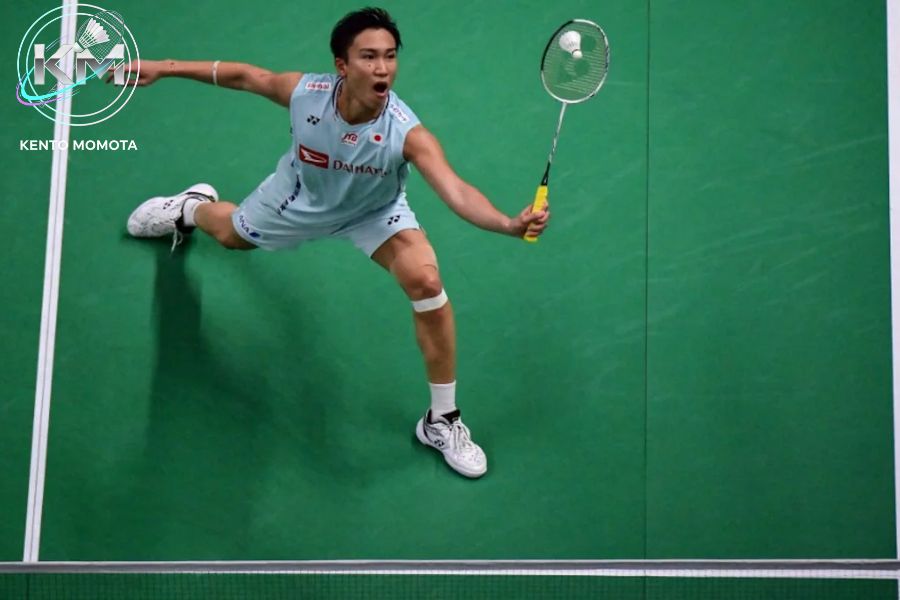
What his accolades mean in the larger badminton landscape
Momota’s achievements are not simply a personal triumph; they represent a fundamental shift in global badminton. He proved that Japan could lead in a discipline historically dominated by other nations. He proved that tactical sophistication could rival raw aggression. And he proved that resilience – through suspension, through injury, through trauma – could shape a career as meaningfully as victory.
The weight of his success goes beyond medals. It reshaped national programs, inspired a generation, and expanded the sport’s global appeal.
Personal life, off-court persona and legacy
When discussing Kento Momota, much of the global attention naturally gravitates toward his achievements, his playing style, and his dramatic career arc. Yet to understand the full measure of who he is, one must step away from the court and look at the quieter spaces of his life – the private routines, personal interests, public image, and the legacy he leaves behind. Unlike many modern sports celebrities who broadcast every detail, Momota has always maintained a guarded sense of privacy. This doesn’t make him distant; rather, it reveals a man who believes the truest expression of himself happens between the lines of a badminton court.
Personal interests, sponsor relationships, public image
Momota has never been the type of athlete who courts media attention. Even at the height of his fame, he carried himself with a calm, almost introspective disposition. Interviews were measured, thoughtful, and tinged with humility. His demeanor contrasted sharply with the intensity he displayed in matches, and the duality became part of his public identity – the silent warrior whose quiet nature concealed a tactical genius.
Personal hobbies and character
While details about his private life are limited, those close to Momota often describe him as:
- Soft-spoken and observant
- Highly disciplined in daily routines
- Introverted but warm in small, familiar circles
- Particularly drawn to rhythmic, focused activities – a reflection of his strategic mind
He has expressed affection for simple pastimes such as listening to music, watching Japanese TV dramas, and playing with his teammates during downtime. These hobbies underscore the contrast between the world champion and the young man from Kagawa who still appreciates everyday comforts.
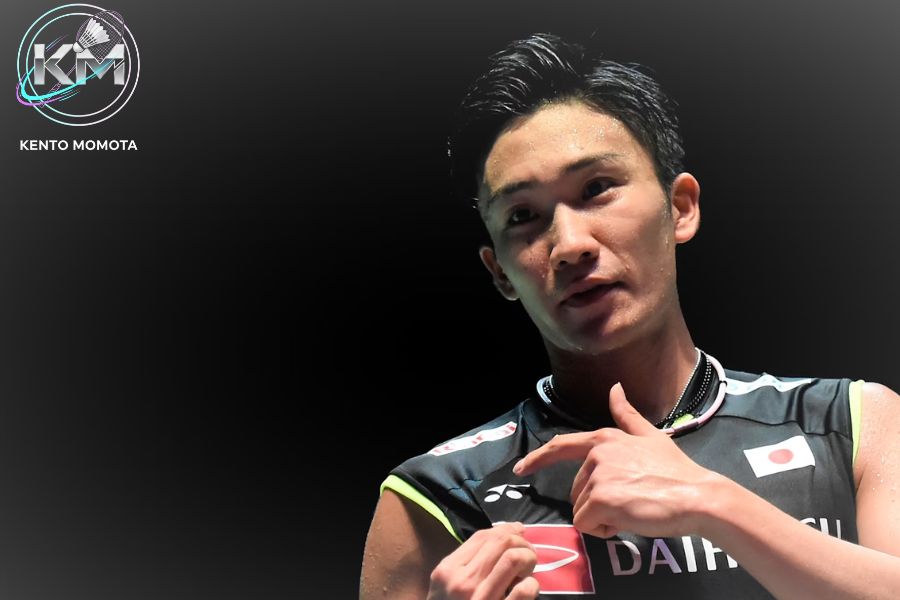
Sponsor relationships and brand identity
Momota’s partnerships reflect not only his talent but his reputation for professionalism. His most prominent and enduring relationship has been with Yonex, the Japanese sporting goods giant. This partnership went far beyond standard sponsorship:
- Yonex designed signature rackets tailored to his precise control-oriented gameplay.
- His shoes, apparel, and gear became top sellers worldwide, especially in Asia.
- He headlined promotional campaigns that positioned him as the model of technical mastery.
For Yonex, Momota represented the perfect athlete: disciplined, stylish in his economy of movement, and consistently successful. His image matched the brand’s identity – sleek, understated excellence.
This synergy helped elevate both his profile and the global influence of Japanese badminton equipment.
Beyond Yonex, his corporate affiliation with NTT East played a significant role in shaping his work ethic. Corporate teams in Japan emphasize humility, structure, and respect – qualities that came to define Momota’s public persona.
Public perception and international reach
Globally, Momota became one of badminton’s most respected figures. Fans admired his tactical brilliance, while analysts praised his intelligence. His quiet personality made him enigmatic, but also universally likable. Even rivals spoke of him with admiration – a rare sentiment in elite sports.
What truly set Momota apart, however, was his resilience. The suspension, the car accident, the years of rebuilding – these events humanized him. Fans felt invested not only in his victories but in his recovery. He became a symbol of perseverance, not perfection.
Legacy, retirement and what lies ahead
Legacy is a complex word in sports. For Momota, it encompasses far more than statistics or medals. It is the story of how he changed the sport, the culture, and the expectations placed on Japanese athletes.
Legacy as a pioneer for Japanese men’s singles
Before Momota, Japan had never produced a male singles world champion or a world number one. He shattered those barriers and reshaped what Japanese badminton – and Asian badminton broadly – believed was achievable. Young players now study his matches the way past generations studied Lin Dan or Lee Chong Wei.
His methodical, tempo-controlling style inspired a new breed of players who understood that badminton could be won through patience and intellect rather than explosive aggression alone.
Impact on the global game
Momota’s influence stretched far beyond Japan:
- Coaches worldwide referenced him when teaching defensive control and point construction.
- His 2019 season set a benchmark that analysts still use to compare player dominance.
- His resilience after setbacks became a narrative of hope within the badminton community.
He also became a bridge between eras – the successor to a generation of legends, and the role model for the next.
Retirement from international competition
On April 18, 2024, Kento Momota announced his retirement from international play with the Japanese national team. The decision felt bittersweet. Many fans hoped for one last miracle comeback, but Momota understood the reality of his physical condition after the Malaysian accident and years of struggles. His honesty – acknowledging that he could no longer perform at the level he once did – was characteristic of his humility.
Yet retirement from international play did not mean stepping away from badminton entirely. He continued to compete domestically and indicated interest in mentoring young athletes. For someone who revolutionized the sport, guiding the next generation feels like a natural next chapter.
Future possibilities
Momota’s future may include:
- Coaching or assisting Japan’s national program
- Becoming an ambassador for badminton worldwide
- Continuing to serve as a model for disciplined, tactical play
- Engaging in charity or development programs to grow the sport in Japan
Whatever direction he chooses, his legacy is secured. He is one of the defining figures of modern badminton – not because he won, but because of how he won, and how he carried himself through triumph and adversity.
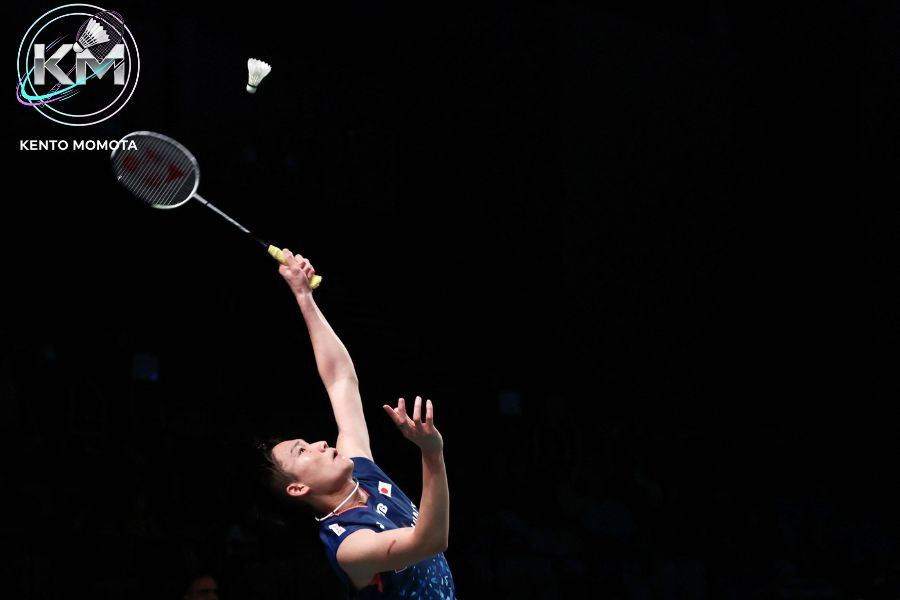
What Kento Momota off-court story reveals about the man behind the titles
In the end, Kento Momota’s personal life is a reflection of his playing style: calm, intentional, and marked by inner strength. He never sought the spotlight, yet earned admiration worldwide. He faced pressure, scandal, and trauma – yet never abandoned his principles. His off-court humility amplifies his on-court brilliance, and together they create a legacy that will endure long after his final match.
Conclusion: What Kento Momota means for badminton
Every era in badminton has its defining figure – an athlete whose presence reshapes expectations, whose brilliance forces the sport to evolve, and whose story transcends victory to become something larger. For the modern generation, that figure is Kento Momota. His journey, marked by dazzling peaks and harrowing setbacks, forms one of the most compelling arcs the sport has ever witnessed. He is not simply a champion of statistics or titles; he is a champion of resilience, discipline, and intellectual mastery.
Momota’s influence reaches far beyond the boundaries of a court. His career is proof that dominance can be built not only on power, but on elegance and strategy. At his best, he turned badminton into an art form – a language of precision, tempo, and psychological control. His matches were lessons in patience, teaching the world that a rally could be won long before the final shot, through positioning, anticipation, and rhythm.
A legacy defined by more than medals
While his achievements are historic – the first Japanese World No. 1, two-time world champion, All England winner, holder of 11 titles in a single season – it is the nature of his achievements that elevates him. Momota did not dominate through brute force. He dominated through understanding. He read opponents like a book, absorbed their aggression, and returned it with calculation. That combination of intelligence and athleticism changed how coaches trained players and how fans appreciated the sport.
Yet triumph alone would not have made his story unforgettable. It is also the darkness he endured – the suspension that humbled him, the accident that nearly took his career, the long road back through pain, doubt, and frustration. These moments revealed his character. His willingness to return, to compete again even when not at his peak, earned respect across the sporting world. He showed that greatness is not only about the ability to rise, but the courage to keep rising after a fall.
The human behind the icon
Momota’s quiet demeanor is a defining part of his legacy. In an age of constant visibility, he remained private, thoughtful, and grounded. He did not rely on theatrics or bravado. Instead, he spoke through his game – through the tight net shots, the perfect clears, the rallies that stretched on until his opponent broke first. That restraint, that simplicity, made him relatable and dignified. Fans admired not just how he played, but how he carried himself.
He became the face of discipline in Japanese sport, inspiring thousands of young players to pick up the racket. Schools, academies, and junior programs around Japan saw surges in interest sparked by his rise. When children mimic his stance or practice his signature net shot, they are recreating more than a technique; they are inheriting a philosophy.
A new standard for the sport
What Momota gave badminton is something timeless: a blueprint for excellence built on intelligence, control, and emotional stability. He proved that defense could be beautiful, that rallies could be sculpted, that patience is not passive but deeply tactical. At his peak, he stood alongside the sport’s greatest names – Lin Dan, Lee Chong Wei, Chen Long – not as an imitator, but as a modern evolution of men’s singles.
Even as injuries and circumstances limited the later years of his career, his imprint remained. Coaches studied his movement. Analysts dissected his shot patterns. Young athletes idolized his mindset. His style became a reference point – a gold standard for how to win without losing your identity.
For more on routines, personality, and the quiet discipline behind the champion, browse Lifestyle & Personal.
What remains after the final point
As he stepped away from international play in 2024, Kento Momota left behind more than records. He left a story: one of immense talent, immense pressure, and immense resilience. His legacy will continue to evolve, especially if he chooses to mentor or guide the next generation of Japanese players. But even if he never coaches a day in his life, his influence is already woven into the fabric of the sport.
Kento Momota means excellence.
He means recovery.
He means grace in adversity.
He means possibility – the idea that a child from a quiet prefecture can reach the top of the world, fall, and still rise again with dignity.
Share your favorite rallies and moments with fellow supporters in Fan Zone & Community
For fans visiting kentomomota.com, the homepage is more than a biography; it is a tribute to an athlete who redefined what it means to compete with both brilliance and humility. As the sport moves into new eras and new champions emerge, one truth remains certain: the shadow of Kento Momota’s influence will continue to stretch across badminton courts for generations.
Partner: nhandinhkeothom.com | tylekeo.cab | keonhacai55.site | BiaomTV